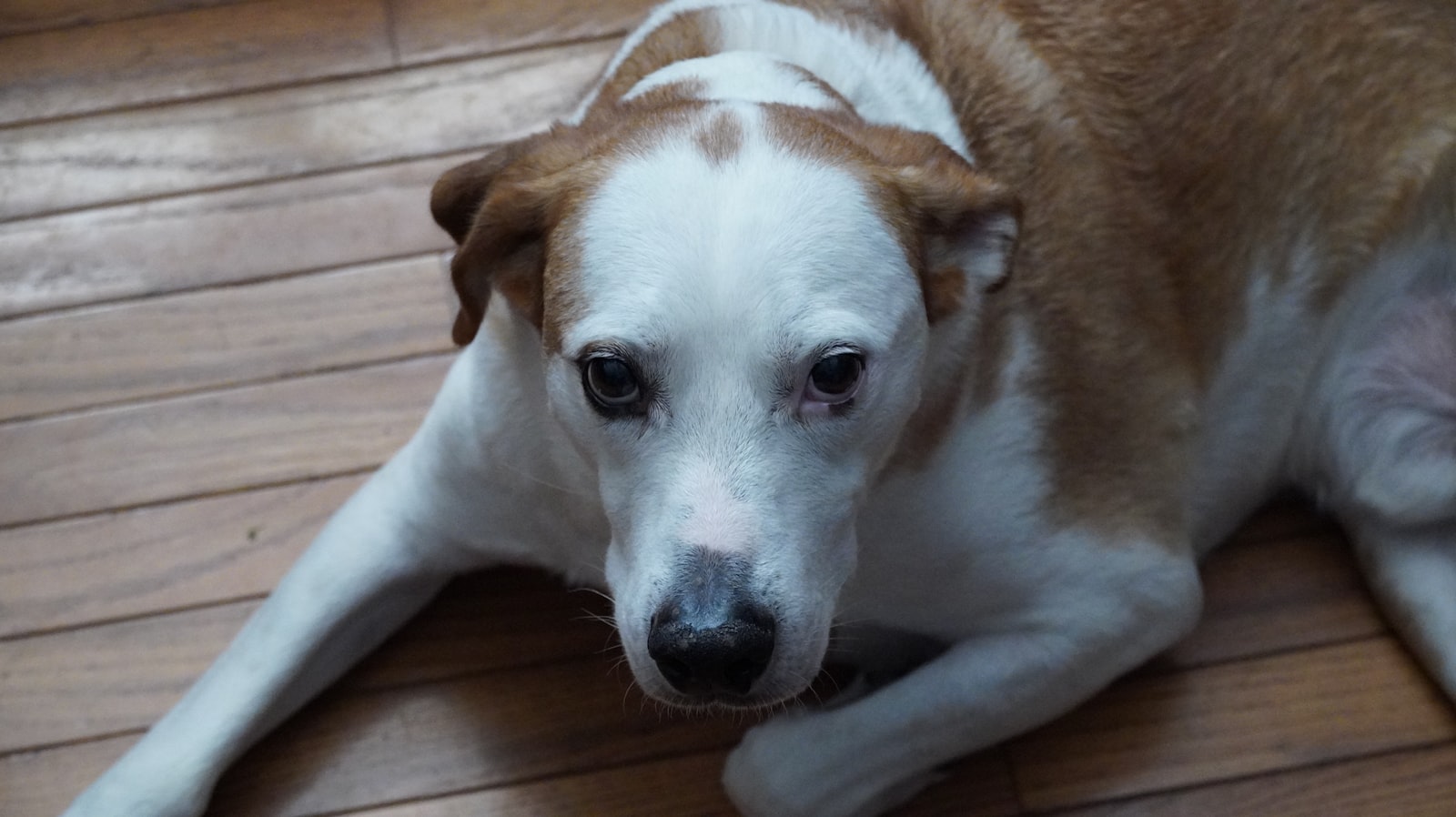
Dog grooming helps with more than appearance. Regular grooming can keep a dog more comfortable, reduce matting, improve traction and movement when nails stay trimmed, and make it easier to spot skin or ear issues early.
For many owners, grooming starts because the coat gets overgrown or the dog starts tracking in more dirt. Over time, it usually becomes part of a practical care routine. Dogs that are groomed consistently are often easier to brush at home, easier to keep clean, and more comfortable day to day.
That is the most useful way to think about dog grooming in Dublin. It is not just an occasional cleanup. It is part of keeping a dog’s coat, skin, paws, and overall comfort in good shape.
Why grooming matters
The obvious benefit is that a freshly groomed dog looks better. The more important benefit is what grooming can help prevent.
Brushing and bathing can remove loose hair, dirt, and buildup before they turn into a bigger problem. Nail trimming can help dogs move more comfortably, especially when they spend a lot of time on sidewalks, patios, or indoor hard floors. Ear cleaning, when done appropriately, can help owners stay ahead of irritation in dogs that are prone to wax or moisture buildup.
Grooming appointments can also reveal issues an owner may not notice right away, such as a sore paw, a skin flare-up, a new lump, or signs of fleas. That does not make grooming a replacement for veterinary care, but it does make it a useful part of routine dog care.
This applies to more than long-coated breeds. Doodles, poodles, spaniels, and similar coats usually need regular professional grooming, but short-haired dogs can still benefit from baths, deshedding, nail trims, paw cleanup, and sanitary care.
Not every dog needs the same schedule
One of the most common mistakes owners make is assuming there is one ideal grooming schedule for every dog. There is not.
The right schedule depends on coat type, activity level, age, and how comfortable the dog is with handling. A curly or continuously growing coat usually needs more frequent maintenance than a short, low-shed coat. Dogs that spend a lot of time outside may need more paw cleanup or bathing. Dogs that swim, roll in grass, or visit parks often can pick up tangles and debris faster.
Older dogs may do better with shorter, gentler appointments. Nervous dogs often handle grooming better when visits are more frequent and less overwhelming.
As a general starting point, many dogs do well with professional grooming every four to eight weeks, plus brushing at home between appointments. But some coats start matting much sooner, while others may only need a bath-and-tidy routine with occasional trimming.
A good groomer will help you figure out a schedule that fits your dog instead of forcing every dog into the same pattern.
What to look for in a dog groomer
Choosing a groomer is not only about location or price. It is about trust, communication, and whether the groomer is a good fit for your dog.
A thoughtful groomer usually starts by asking questions about your dog’s age, coat condition, past grooming experience, behavior during handling, and any known sensitivities. They should be able to explain what is realistic for your dog’s coat and what kind of brushing or maintenance will be needed at home.
It also helps to ask a few practical questions up front:
- How do you handle anxious, senior, or easily stressed dogs?
- What do you do if you find matting?
- How short can the coat go without causing irritation?
- How long will the appointment take?
- What should I do at home between visits?
The best answers usually sound clear and honest, not overly polished. You want someone who talks about the dog’s comfort as much as the final look.
Why matting changes the plan
Matting is one of the most misunderstood grooming issues. Mats are not just tangles sitting on top of the coat. They can pull on the skin, trap moisture, hide irritation, and make brushing painful.
A dog may look only a little shaggy from a distance but still have dense matting under the ears, in the armpits, under the harness, or around the hindquarters. When that happens, a fluffy style may no longer be realistic or humane.
Sometimes the kindest option is to take the coat shorter than the owner wanted. A good groomer should explain that clearly and prioritize the dog’s comfort over appearance. It may be disappointing in the moment, but it is often the fairest choice for the dog.
After that, the goal is to keep the coat manageable with regular appointments and better brushing at home.
Home brushing still matters
Professional grooming works best when it is part of a larger routine. It cannot fully make up for weeks of skipped brushing, constant friction from a harness, or a coat that stays damp and tangled after outdoor play.
For dense coats, especially doodles and similar mixes, home brushing is less about appearance and more about comfort. A few focused minutes several times a week can make a big difference.
Most owners do not need a complicated setup. They need the right tools for the coat type, a consistent routine, and attention to spots that mat easily. For some dogs, that means a quick brush before bed. For others, it means checking the coat after a walk, after time at the park, or after a dusty afternoon outside in Dublin.
That small amount of regular care can make grooming appointments easier and less stressful.
How to think about pricing
Cost matters, and it is reasonable to ask about it. But grooming prices vary for real reasons, including the dog’s size, coat type, behavior, coat condition, requested style, and how much time the appointment will take.
In general, a bath-and-brush visit costs less than a full haircut appointment. Large dogs, dense coats, severe matting, and longer drying times usually raise the price. Extra handling can also affect cost.
The better question is not only what grooming costs. It is what you are getting for that price. A higher rate may reflect calmer handling, better communication, stronger coat knowledge, or a pace that is easier on the dog.
For many owners, that is worth paying for.
A practical approach for Dublin dog owners
Dublin dogs often move back and forth between neighborhood walks, car rides, parks, and clean indoor spaces. That lifestyle tends to show up in the paws and coat pretty quickly.
For local owners, the smartest approach is to build grooming into the routine before things get out of hand. Do not wait until the nails are clicking on the floor, the coat is packed with tangles, or the dog has started resisting being touched.
That routine might mean regular brushing at home, monthly nail care, and scheduled grooming based on coat type. It may also mean choosing a trim that matches your dog’s actual lifestyle. For active households, a lower-maintenance cut is often more practical than a style that only looks good with constant upkeep.
The goal is simple: a dog that is clean, comfortable, and easy to care for.
The best results come from an ongoing relationship
Finding a groomer is not really a one-time purchase. The best results usually come from seeing the same person or team over time.
When a groomer gets to know your dog, they learn what stresses your dog out, what coat changes to watch for, and what style works best. Your dog also learns the routine, which can make appointments smoother and less stressful.
That continuity matters. It means less guesswork, fewer surprises, and a better care routine overall.
If you are looking for dog grooming in Dublin, the best choice is usually not just the closest appointment you can book. It is the groomer whose approach fits your dog, whose communication is clear, and whose work supports comfort as much as appearance.
A well-groomed dog usually looks better. More importantly, that dog often feels better too.