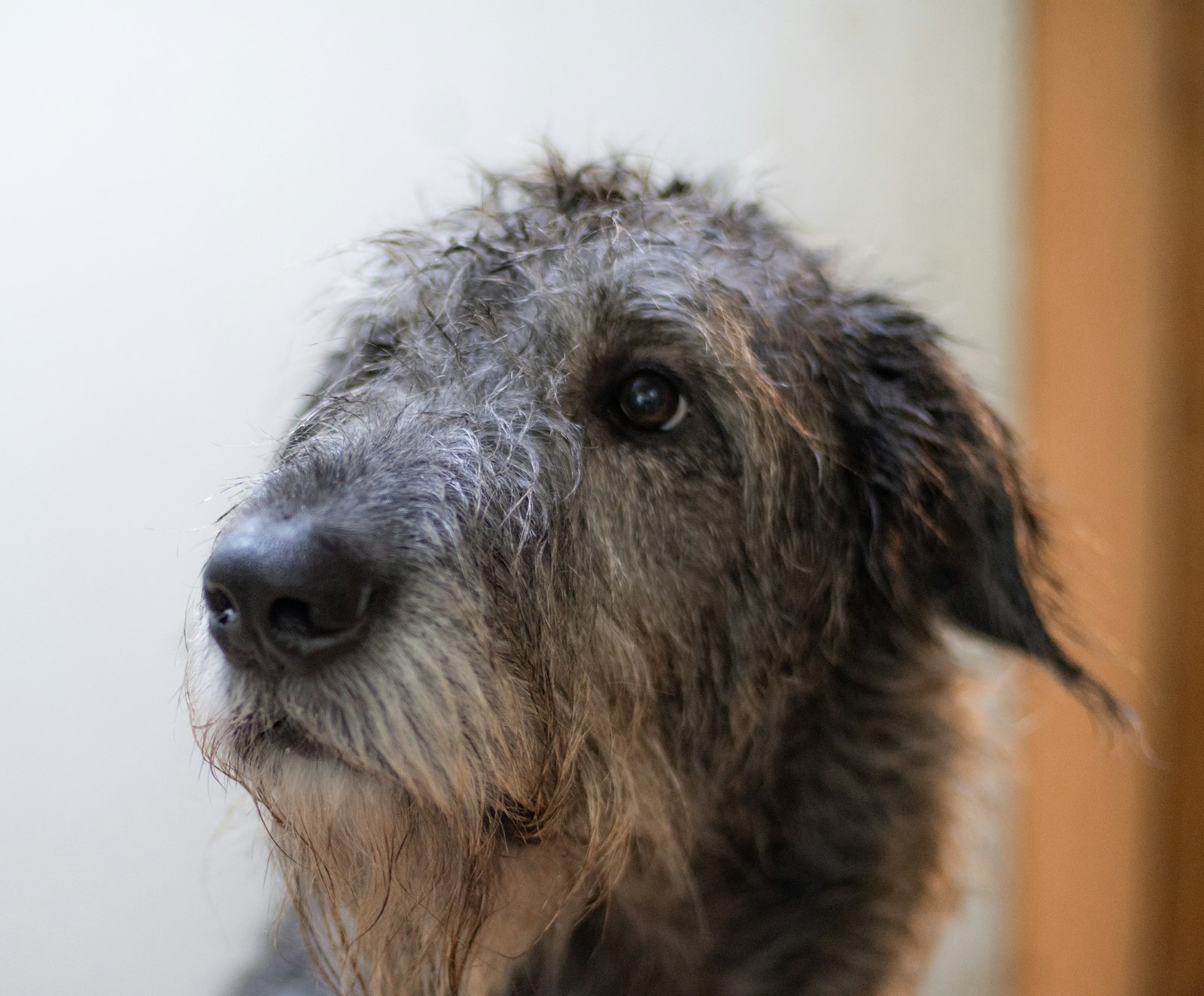
Dog grooming works better when it matches the season, your dog’s activity level, and the coat they live in every day. In Dublin, that matters more than many owners expect. A dog that spends most days indoors with short walks usually needs a different routine than a doodle that picks up debris at the park, a retriever that loves water, or an older dog whose coat is getting harder to manage.
Instead of asking only how often your dog should be groomed, it helps to ask what the coat is dealing with right now. Heat, dry air, shedding, muddy paws, trapped undercoat, and more time outside can all change what kind of care makes sense.
A smart routine is not just regular. It is responsive.
Grooming should follow your dog’s real life
Dogs do not live in a grooming schedule. Their coat condition is shaped by what they do every week.
Some dogs spend time on sidewalks, grass, and local parks where dust, pollen, and plant material collect quickly. Others wear harnesses every day, ride in the car often, or lie on patios and hard floors that can leave skin and coat looking dry or dull. Even dogs with fairly easy coats can start looking rough when the routine does not fit the lifestyle.
Most coat problems build slowly. Nails get a little too long. Hair between the paw pads gets packed down. The coat behind the ears starts to knot. Loose undercoat stays trapped against the skin. None of that seems urgent at first, but together it can make a dog less comfortable and much harder to maintain.
That is why a seasonal grooming routine works so well. It helps owners stay ahead of problems instead of waiting until the dog is overdue, uncomfortable, or resistant to handling.
Spring is the time to reset the coat
Spring usually brings more time outside, more shedding, and more brushing. Double-coated dogs may start blowing coat. Longer-haired dogs may collect more debris on walks. Dogs that got a little shaggy over winter can suddenly feel harder to keep clean and tangle-free.
This is a good time for a reset. For some dogs, that means a thorough bath and de-shedding service to remove coat that is ready to come out. For others, it means trimming the feet, face, and sanitary areas so daily upkeep gets easier. If the coat has been neglected even a little, spring is often when matting around the legs, chest, and harness areas starts to show.
Paw care also matters more in spring. Dogs that are walking more often can track in dirt, pollen, and bits of plant material. A clean paw trim and regular nail care can make walks more comfortable and keep the house cleaner too.
For Dublin dog owners, spring grooming is usually less about a dramatic new look and more about clearing out winter buildup before a more active stretch of the year.
Summer grooming is about comfort, not just going shorter
Many owners assume summer grooming means shaving the dog down. Sometimes a shorter trim is practical, but it is not the right answer for every coat.
Summer grooming is really about comfort, cleanliness, and manageability. Dogs that spend more time outside can end up with dusty coats, dirty underbellies, and tangles that tighten faster after play. Coats that stay damp after swimming or frequent baths can also become harder to manage if they are not dried and brushed properly.
For longer-coated dogs, a cleaner, easier trim may make sense during warmer months, especially if the dog is active and the owner wants something realistic to maintain. For double-coated breeds, a proper bath, blowout, and undercoat removal is often more helpful than cutting the coat too aggressively.
Summer is also the time to watch for burrs, grass awns, and other small irritants that can get trapped in the coat or around the paws. After time outdoors, a quick check of the feet, legs, belly, and ears can prevent a small issue from turning into a bigger grooming problem.
The goal is simple: a dog that stays cooler, cleaner, and easier to care for between appointments.
Fall is a good time to rebuild consistency
By fall, many dogs are showing the effects of a busy summer. The coat may be dry, uneven, overgrown, or still holding old undercoat. If brushing slipped during the warmer months, this is often when owners notice the routine needs work again.
That makes fall a practical time to get back on track. For dogs with continuously growing coats, a fall groom can restore shape and make the coat easier to manage before the holiday season gets busy. For heavy shedders, another round of coat removal can help cut down on loose hair in the house. For active dogs, it is a good time to tidy feathering, paw fur, and other areas that trap dirt after walks.
Fall is also a good season to think honestly about coat style. A fuller trim may look great, but if the dog is active and brushing is inconsistent, it may not be realistic. A slightly easier trim that still looks good is often the better long-term choice.
The best grooming plan is not the fanciest one. It is the one your dog and your household can actually keep up with.
Winter still needs steady maintenance
It is easy to let grooming slide in winter, especially when the dog is not getting as visibly dirty or when a fuller coat feels right for cooler weather. But winter neglect usually shows up later as tangles, overgrown nails, dirty sanitary areas, or a coat that is much harder to fix by spring.
Dogs still need grooming in winter. Nails keep growing. Ear care still matters. Coats still mat where there is friction. Dogs that wear sweaters or harnesses can develop knots in places owners do not notice right away.
Winter grooming is often more about maintenance than makeovers. That may mean keeping up with bath-and-brush visits, nail trims, and regular brushing so the coat stays workable all the way to the skin. If your dog’s coat gets longer in cooler months, it usually needs more brushing, not less.
A steady winter routine makes the next season easier. It is always simpler to maintain a coat than to rescue one that has been ignored for months.
Coat type should shape the schedule
Season matters, but coat type still drives most grooming decisions.
Curly and continuously growing coats usually need the most structure. Without regular brushing and clipping, these coats can mat quickly, especially around the ears, legs, collar area, and tail.
Double-coated dogs usually need less haircutting and more coat maintenance. Regular brushing, bathing, and undercoat removal help keep the coat comfortable and breathable. When those steps are skipped, shedding, trapped dirt, and coat buildup tend to get worse.
Short-haired dogs are easy to underestimate. They may not need full trims, but they can still benefit from baths, nail care, ear checks, deshedding, and paw cleanup. A short coat can still hold odor, loose hair, and skin buildup if it goes too long without care.
The smartest plan is the one that fits the coat your dog actually has, not the one that sounds easiest in theory.
Small habits at home make grooming easier
Professional grooming works best when it is backed up by a few simple habits at home.
For many dogs, that means checking the coat and paws after walks, brushing problem areas a few times a week, and helping the dog get comfortable with having their feet, ears, and body handled. Dogs that are used to being touched in those areas are often much less stressed during grooming appointments.
It also helps to notice early warning signs. If the coat is snagging on the comb, the harness area feels packed, or the nails are clicking on the floor, the routine probably needs to be adjusted now, not later.
The best grooming plans are usually not complicated. They are consistent.
A better grooming rhythm for Dublin dogs
For many dog owners in Dublin, the most practical grooming routine changes a little through the year instead of staying rigid. More shedding in one season, more debris in another, and different activity levels throughout the year all affect what a dog needs.
That might mean a deeper de-shedding visit in spring, a more manageable trim in summer, a reset in fall, and steady maintenance through winter. It may also mean accepting that your dog’s best look is the one you can reasonably maintain, not the one that only lasts a few days after an appointment.
Good grooming supports comfort, cleanliness, and everyday life. If your dog can move comfortably, stay cleaner between visits, and go longer without tangles or skin trouble, the routine is probably working.
If you are thinking about dog grooming in Dublin, a seasonal approach is often the smarter one. It turns grooming from a last-minute fix into a more practical way to care for the dog you live with every day.